
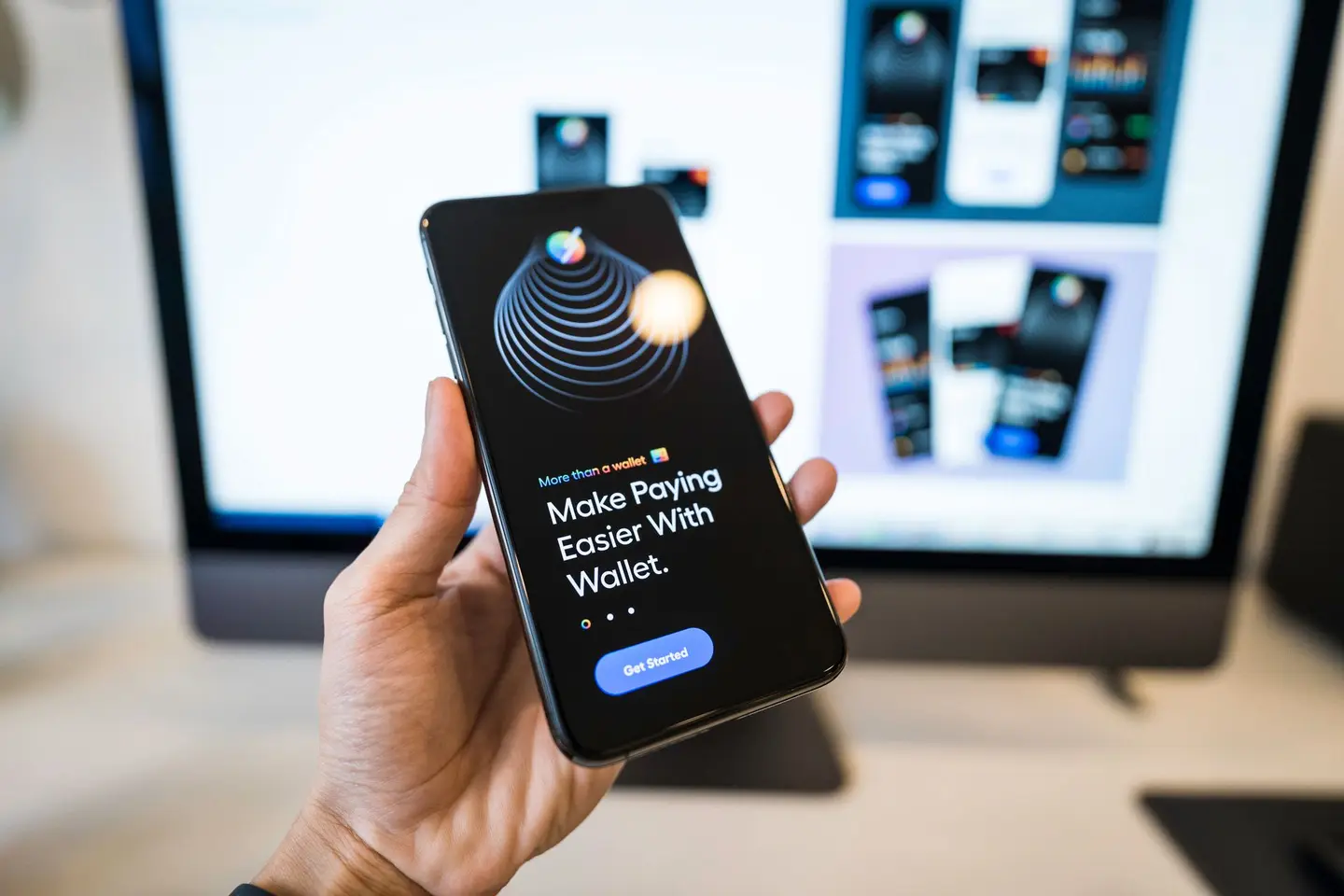
If you run an iGaming operation that targets India, your UPI payment gateway is not a back-office detail. It is the product. Indian users have been trained by UPI to expect money to move instantly, on mobile, with zero friction. When deposits feel slow or withdrawals take days, users do not complain. They leave. This guide explains how UPI payment gateways actually work for iGaming businesses in India, what operators should demand from a payment partner, and the warning signs that should make you walk away.
Why UPI Is Non-Negotiable for iGaming in India
UPI processes billions of transactions every month and is the default way India moves money. For an iGaming operator, this creates both an opportunity and a standard you cannot dodge. The opportunity: a user base already comfortable paying by phone, which keeps acquisition funnels short. The standard: every deposit and withdrawal is silently compared to the fastest UPI experience the user had that week.
Operators that treat UPI as just another payment option underperform in India. Operators that treat their payment gateway as core infrastructure convert better and retain longer. Payments are a growth lever here, not a cost center.
How iGaming Payment Gateways Work in India: Payin and Payout
A complete gaming payment solution in India has two directions, and both need to be fast.
Payin: getting money in
Payin is the deposit flow. The user pays from their UPI app and the amount lands as playable balance. What matters is success rate and speed. A good payin flow completes in seconds across the major UPI apps. A bad one drops transactions or shows cryptic errors that kill conversion. When you evaluate a payment partner, ask for their payin success rate during peak evening hours, not just the average. Averages hide the failures that cost you the most.
Payout: getting money out
Payout is the withdrawal flow, and it is where trust is built or destroyed. A user who receives winnings in minutes tells friends. A user who waits two days never returns. Serious payment partners in India settle payouts multiple times per day. Anything slower than same-day settlement should be questioned hard.
Native UPI vs Aggregators: What Is the Difference
You will hear two terms in every payment conversation: native UPI and aggregator routes. A native setup means the partner works through licensed banking relationships directly. An aggregator routes transactions through third parties. Native setups generally offer better success rates, faster settlement, and clearer accountability. Ask every prospective partner one direct question: is this native UPI through your own banking relationships, or routed through someone else? The honest ones answer immediately.
UPI Payment Gateway Pricing: What Good Rates Look Like
Pricing for gaming payment solutions in India is usually quoted as a percentage of transaction volume, and it varies by direction, volume, and risk profile. Market rates for established setups often sit in the high single digits, while well-negotiated native arrangements can come in meaningfully lower. Do not chase the lowest headline rate alone. A partner quoting an unbelievably low number and missing settlement windows costs more in failed transactions than a fairly priced partner who settles three times a day. Evaluate the full package: rate, settlement frequency, success rates, and support. Get the settlement schedule in writing before committing volume.
Red Flags When Choosing a Gaming Payment Partner in India
Walk away, or slow down, when you see these patterns. No clear answer on native versus aggregated routing. Settlement promises with nothing in writing. Pressure to move large volumes before a test phase. No verifiable track record with other operators. Communication that goes quiet the moment you ask a technical question. Any one of these is a reason to pause. Two or more is a reason to leave.
How to Test a UPI Payment Partner Before Committing
Never move real user volume on day one. Start with a test environment and small transactions in both directions. Measure actual success rates and settlement times against what was promised. Then run a limited live pilot with capped volumes for two to four weeks. Only scale after the numbers hold under real load. Legitimate payment partners expect this process. Anyone pushing you to skip it is not someone you want handling your money flow.
A Note on Compliance
India's regulatory picture for real-money gaming changed significantly with the Promotion and Regulation of Online Gaming Act of 2025, and the rules keep evolving. This is a B2B guide, not legal advice. Before integrating any payment gateway, confirm your own compliance position with qualified counsel and choose partners who take these questions seriously.
Where HUIDU Fits In
Finding a payment partner in India usually means weeks of introductions and unverified claims. HUIDU exists to compress that. As a B2B iGaming network, we connect operators with verified payment companies already serving this market, including partners with native UPI setups for both payin and payout. Registration on huidu.in is free. If payments are the part of your India operation you think about most, talk to us first.
Message @Hdmangal on Telegram or email mangal@huidu.io. Tell us your expected volumes and whether you need payin, payout, or both, and we will connect you with the right fit.
Frequently Asked Questions
What is a UPI payment gateway for iGaming?
A UPI payment gateway for iGaming is a payment solution that lets gaming operators accept deposits via UPI and process withdrawals back to users, handling payin, payout, settlement, and transaction monitoring in one integration.
How fast should UPI payouts be for gaming operators in India?
Same-day settlement is the baseline. The strongest payment partners settle multiple times per day. Anything slower puts you at a disadvantage against operators who pay out in minutes.
How do I choose a payment gateway for gaming in India?
Check whether the setup is native UPI or routed through aggregators, verify success rates during peak hours, get the settlement schedule in writing, run a capped live pilot before scaling, and confirm the partner's compliance posture.